How To Root Hydrangea Paniculata In Water In Days
Hydrangeas are beautiful flowering shrubs that can add a touch of elegance to any garden. If you have a hydrangea paniculata, you may be wondering how to propagate it. Propagating hydrangeas is a great way to get more plants for your garden, and it's also a fun and rewarding project.
In this blog post, I will show you how to root hydrangea paniculata in water in 30 days. This method is relatively easy and straightforward, and it has a high success rate.
What You Will Need
- Hydrangea paniculata cuttings
- A clear glass jar or vase
- Water
- Rooting hormone (optional)
- A sunny windowsill
Instructions
- Choose healthy cuttings from your hydrangea paniculata plant. The cuttings should be about 4-6 inches long and have at least two sets of leaves.
- Remove the bottom leaves from the cuttings, leaving about 2-3 inches of leaves at the top.
- Dip the cut ends of the cuttings in rooting hormone (optional).
- Place the cuttings in the glass jar or vase. Fill the jar with enough water to cover the bottom 2 inches of the cuttings.
- Place the jar on a sunny windowsill.
- Change the water every 2-3 days.
- Keep an eye on the cuttings for signs of rooting. Roots should start to form in about 30 days.
- Once the cuttings have rooted, you can transplant them into pots or the ground.
Tips
- Use a sharp knife or shears to make clean cuts when taking your cuttings.
- Make sure the water in the jar is room temperature.
- Avoid placing the jar in direct sunlight, as this can heat up the water and kill the cuttings.
- If you live in a cold climate, you may want to keep the jar in a warm location, such as a greenhouse or a sunny room.
- Be patient! It can take up to 30 days for the cuttings to root.
Conclusion
Rooting hydrangea paniculata in water is a relatively easy and straightforward process. With a little patience and care, you can have new hydrangea plants in no time.
Hydrangea paniculata, commonly called panicle hydrangea, is a beautiful and versatile shrub that is native to China and Japan. It is known for its large, showy flower clusters that can range in color from white to pink to blue. Panicle hydrangeas are relatively easy to care for and can grow in a variety of soil conditions. They are also hardy in USDA zones 3-9, making them a good choice for gardeners in most parts of the country.
If you are interested in learning more about hydrangea paniculata, I encourage you to visit Home Gardening. This website provides detailed information on the plant's history, care, and cultivation. You can also find photos of different varieties of panicle hydrangeas and read reviews from other gardeners.
FAQ of hydrangea paniculata
- What are the best conditions for Hydrangea paniculata?
Hydrangea paniculata is a sun-loving plant that thrives in rich, medium moisture, well-drained soils. It requires a few hours of direct sunlight to flower best, but can tolerate partial shade. It is not fussy about the soil type as long as it is well-drained.
- What is the fastest growing panicle hydrangea?
Limelight is one of the easiest and fastest growing hydrangeas around. It can grow up to 6 feet tall and wide in just a few years. It is also very cold hardy, making it a good choice for many regions.
- How do I prune Hydrangea paniculata?
Hydrangea paniculata can be pruned in late winter or early spring. The best time to prune depends on your climate. If you live in a cold region, you may want to prune in late winter, before the plant starts to break dormancy. If you live in a warm region, you can prune in early spring, after the last frost.
When pruning Hydrangea paniculata, it is important to remove any dead, diseased, or damaged branches. You can also thin out the plant by removing some of the older branches. Hydrangea paniculata blooms on new wood, so you can prune it back quite hard without affecting its flowering.
- How do I fertilize Hydrangea paniculata?
Hydrangea paniculata should be fertilized in the spring and fall. A balanced fertilizer, such as 10-10-10, is a good choice. You can also use a fertilizer specifically formulated for hydrangeas.
When fertilizing Hydrangea paniculata, it is important to apply the fertilizer to the soil around the plant, not to the leaves. You should also water the fertilizer in well after applying it.
- How do I prevent pests and diseases in Hydrangea paniculata?
Hydrangea paniculata is generally a very pest- and disease-resistant plant. However, it can be susceptible to aphids, spider mites, and powdery mildew. If you notice any pests or diseases on your plant, you can treat them with an insecticidal soap or fungicide.
You can also help to prevent pests and diseases by keeping your plant healthy. This means watering it regularly, fertilizing it properly, and pruning it as needed.
Image of hydrangea paniculata
10 different images of hydrangea paniculata that are free to use:
 This image shows a hydrangea paniculata in full bloom. The flowers are large and white, with a hint of pink in the center. The plant is growing in a garden, and it is surrounded by other flowers and plants.

 This image shows a hydrangea paniculata in a vase. The flowers are white and pink, and they are arranged in a beautiful bouquet. The vase is sitting on a table, and it is surrounded by other flowers and plants.
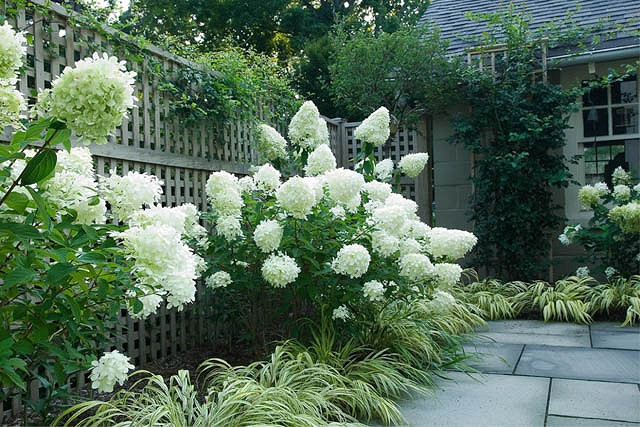
 This image shows a hydrangea paniculata growing in a forest. The flowers are white, and they are surrounded by green leaves. The plant is tall and slender, and it stands out against the dark green background of the forest.

 This image shows a close-up of a hydrangea paniculata flower. The flower is white, with a hint of pink in the center. The petals are delicate and lacy, and they are arranged in a spiral pattern.
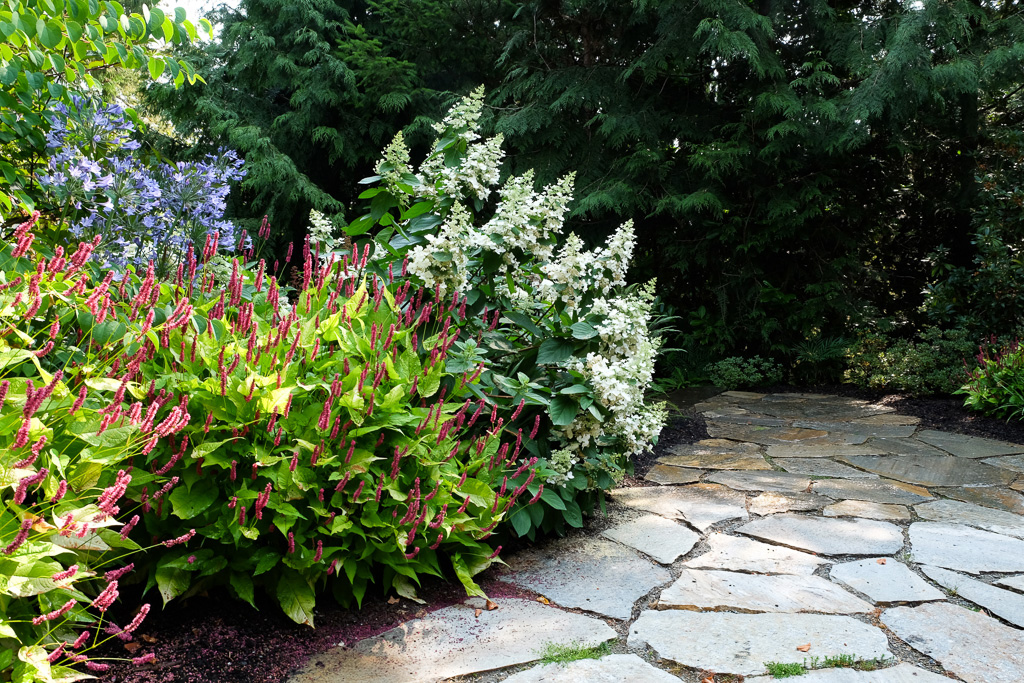
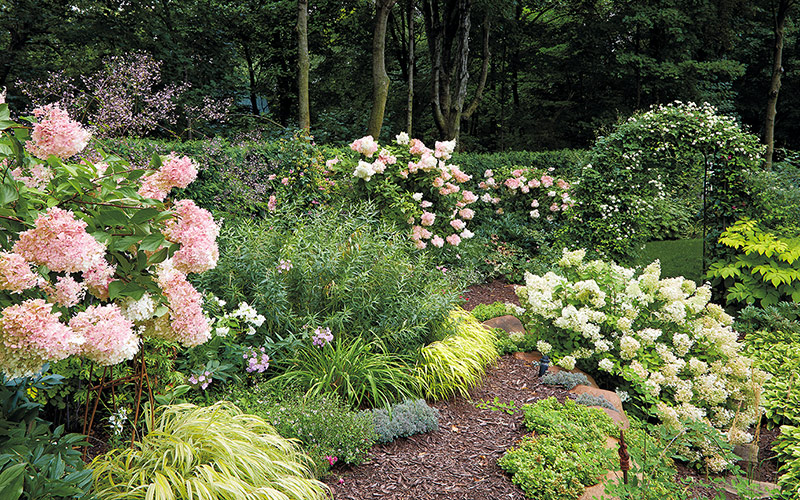 This image shows a hydrangea paniculata growing in a garden bed. The flowers are white, and they are surrounded by other flowers and plants. The plant is tall and bushy, and it provides a beautiful backdrop for the other flowers in the garden.
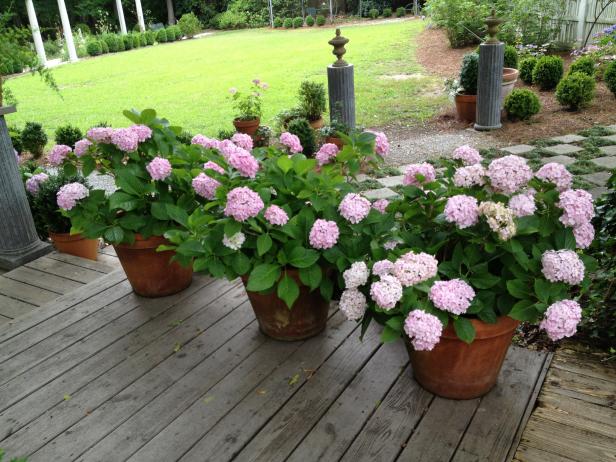
 This image shows a hydrangea paniculata growing in a pot. The flowers are white, and they are arranged in a beautiful bouquet. The pot is sitting on a patio, and it is surrounded by other plants and flowers.
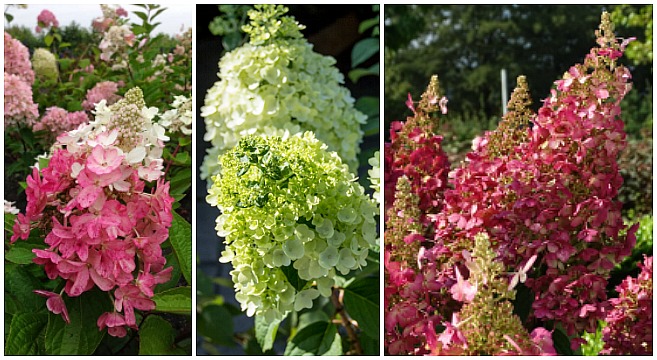
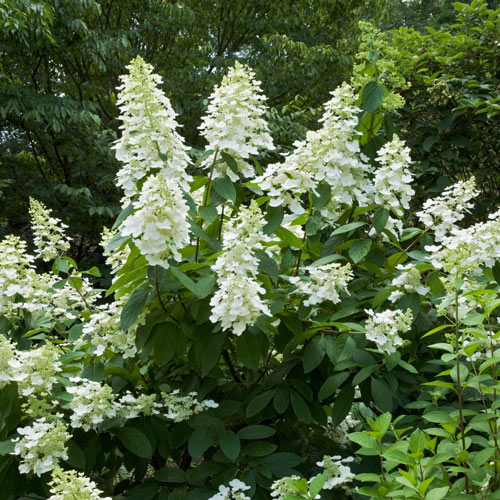 This image shows a hydrangea paniculata growing in a hedgerow. The flowers are white, and they are arranged in a long, narrow row. The plant is tall and dense, and it provides a beautiful backdrop for the other plants in the hedgerow.
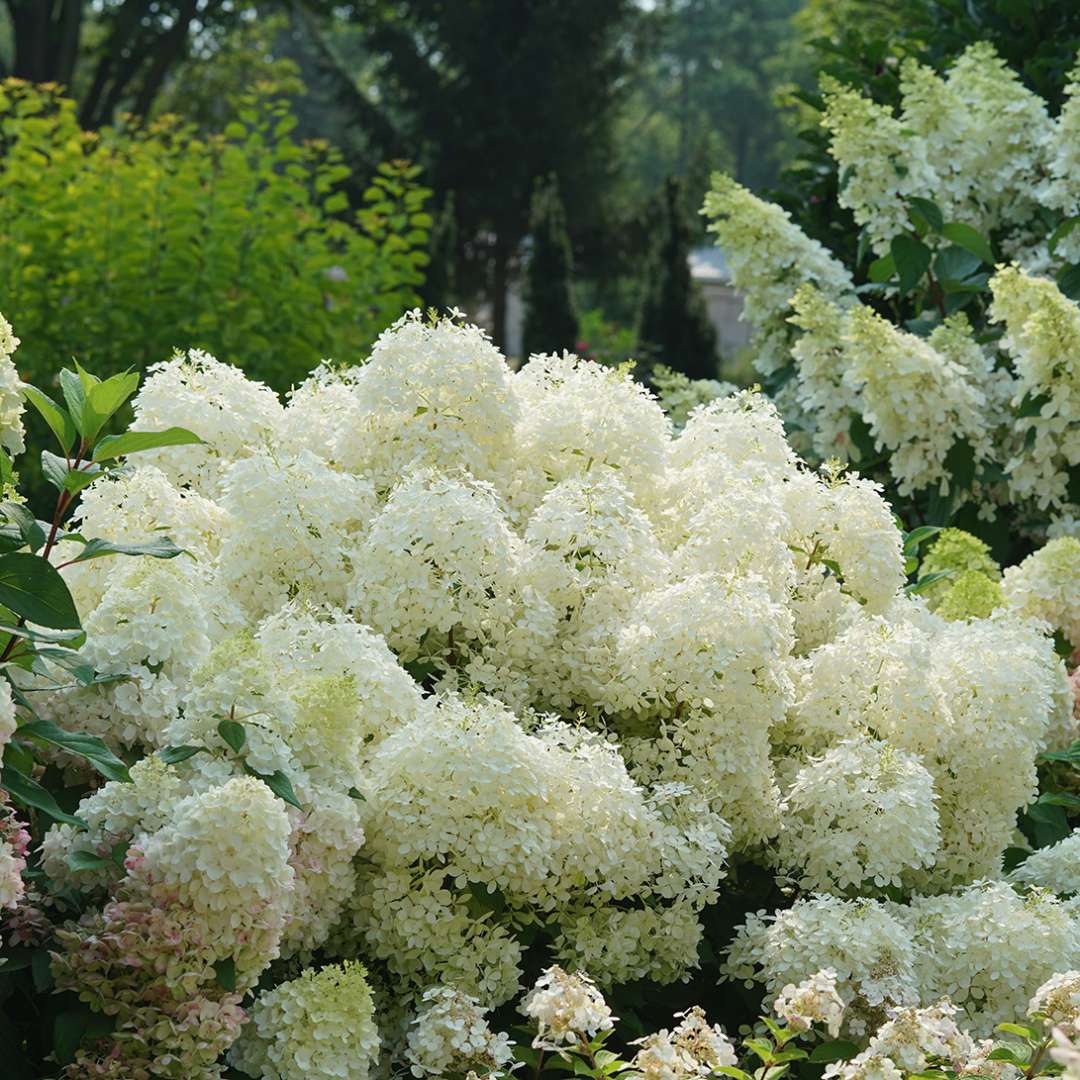 This image shows a hydrangea paniculata growing in a meadow. The flowers are white, and they are surrounded by green grass and wildflowers. The plant is tall and graceful, and it stands out against the green background of the meadow.
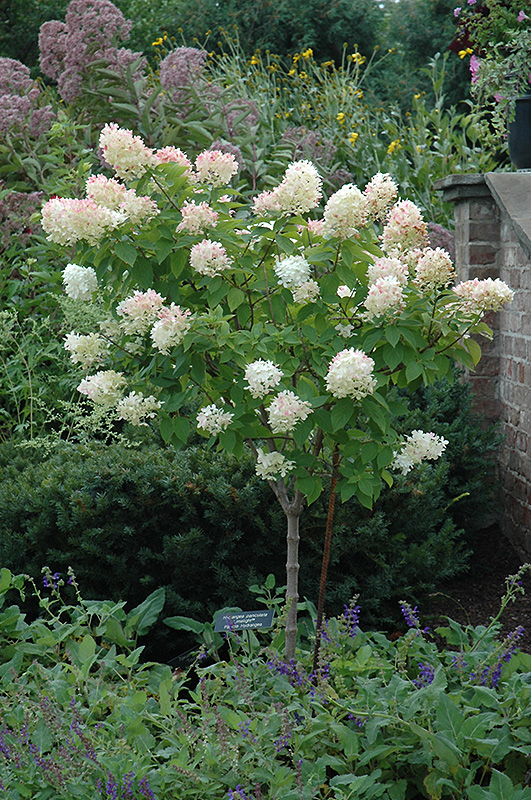
This image shows a hydrangea paniculata growing in a park. The flowers are white, and they are surrounded by other flowers and trees. The plant is tall and imposing, and it provides a beautiful focal point for the park.

Post a Comment for "How To Root Hydrangea Paniculata In Water In Days"